
Congratulations! You’ve found your way here searching for tips on “How to read more.” The title caught your attention, and you’re hoping for guidance. You’re aware of the importance of reading but feel like you’re falling short. I’ve been there, scrolling through similar articles myself.
Despite knowing the significance of reading more, we are still hunting for advice instead of just diving into a book. We are eager for new methods to give a shot.
Fortunately, you are in the right place: I will give you the perfect recipe for…
STOP. STOP. STOP.
Do we really need another recipe?
All the methods I’ve tried personally eventually hit a wall. Initially promising, they might have lasted for a few days, but then that little voice crept in, telling me I wasn’t reading enough.
“Look at THAT researcher on Youtube (Linkedin, Instagram, Facebook, X),” whispers the little voice, “you should do as him / her.”
“Quiet down, little voice!”, we would like to say. But the pressure is so high that we start trying to copy that person on social media.
Let me tell you something crucial.
If you’re reading this, YOU’RE ALREADY READING ENOUGH. You understand the importance and are committed.
In academia, we often get messages that we’re not doing enough:
- we’re not reading enough;
- we’re not writing enough;
- we’re not researching enough;
- we’re not working enough (thanks to life);
- we’re not living enough (thanks to work).
But that’s not true. It might just be the world’s view or our internal voice limiting us from fully enjoying our lives amid all the complexities, difficulties, and burnouts. These are the internal limiting beliefs that constantly try to judge us and push us to do differently.
Let’s be kind to ourselves.
The reality is that your limiting beliefs are convincing you that are not enough, while you might just be facing a reading block or a lack of motivation, or maybe you just need a breather.
So, what do we do then?
I’ve got some suggestions for tackling those limiting beliefs about reading.
4 Ways to Respond to Your Inner Critic
“Dear inner voice, reading more is relative”.
What’s “more”? In comparison to what or whom? Reading is personal. No set number of books (or articles) per year or month exists. It depends on your work, reading speed, skills, and passion. As an academic, you’re likely reading daily: reports, articles, books, lab results. That might be enough for work. So, don’t overwhelm yourself. If some days you don’t feel like reading more, that’s fine. Listen to a podcast for a change if you want more cultural or entertaining content. Don’t force more written material if you’re not into it.

“Dear inner voice, why are you saying this to me?”
Reflect on whether you’re genuinely missing something in your daily tasks. Sometimes, the inner voice prompts valuable moments of self-reflection. If you’re falling short in your tasks, maybe it’s more about organizing than just reading. Be kind and take a break. Find a peaceful spot, make a drink, and reflect. Plan a recovery strategy if needed. Reading for 10 minutes daily is more effective than a 200-page book at once. Add in some physical exercise too. If interested, I could dive into a detailed Burnout Recovery Plan in a blog post. Just write a comment or send me an email.

“Dear inner voice, reading for pleasure should bring pleasure”.
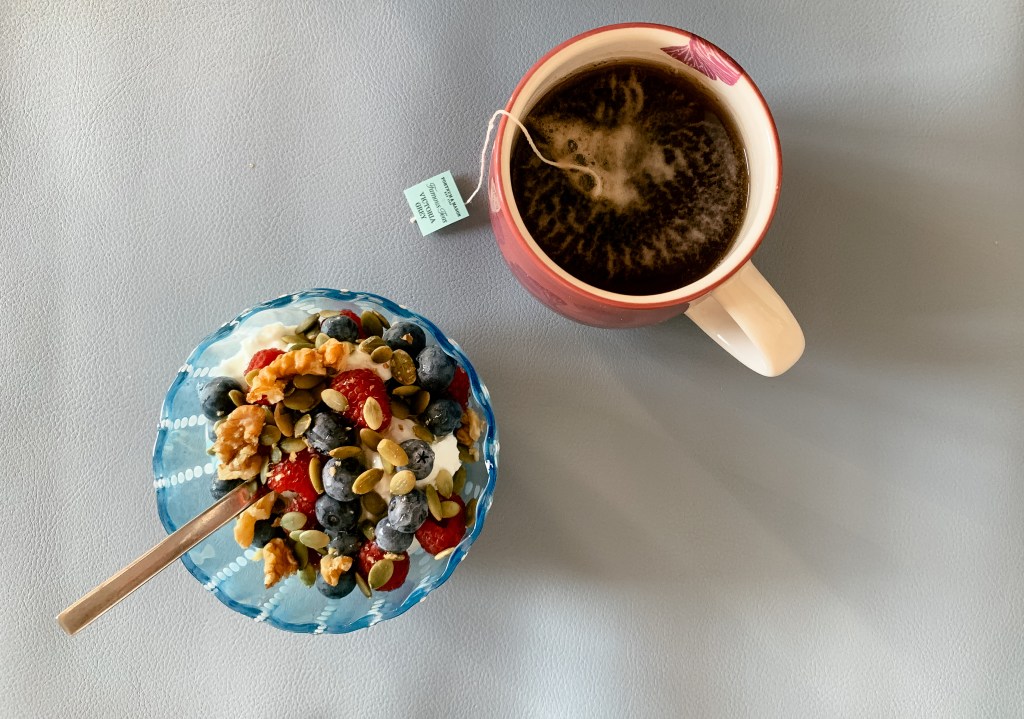
Sometimes, the voice craves more pleasure readings. Perhaps you’re comparing yourself to avid readers online. Avoid comparison. Pleasure reading should indeed bring joy. If you lack time or energy for fiction books, that’s okay! Sometimes, other activities like going out or watching a show are what we need. If you genuinely want to restart reading fiction, pick a book that genuinely captivates you, not one you saw online. Opt for an easy and enjoyable read. For me, it’s fantasy or mystery books. Try reading for 10 minutes before bed or during breakfast.

“Dear inner voice, reading isn’t the only way to learn”.
Books are great, but they’re not the only learning avenue. Not a bookworm? No worries. Explore podcasts, audiobooks, museums, music. If you feel it’s not the time for learning content, take a break. Meet friends, exercise, or watch a show. Reassess after a week.
I created a self-reflection template for burnout periods earlier. Check it out here (it is in Italian). If you want a tailored one for researchers, also in English, send me a message.

If You Liked This Post, Check Out…
A YouTube video and a self-reflection tool.
The YouTube video is “Read Slowly and Finish More Books” by Robin Waldun. He shares the imperfect truth about reading and studying. It’s not crucial to read 50 books a year (even if I like setting a Goodreads challenge). Browse his “On reading” playlist for more.
The self-reflection tool is the Passion Planner monthly reflection. I use it every month when I can and every time is a fantastic way to recover from hard times. A free printable version is available here. It’s a general but useful tool. Print it out or save it digitally, take a tea break, and give it a go.
Thank you for being here. If you read this whole post, you’re my hero! Let’s stay connected—drop a comment, suggest a read or anything on your mind.



 maninlibri
Lascia un commento